Olympian Water Testing Manhattan is a professional water testing company that has served New York City since 1991, delivering advanced water quality and water analysis services for residential, commercial, and institutional properties across Manhattan, Brooklyn, Queens, the Bronx, Staten Island, and the greater NYC area. Our certified and licensed experts manage the entire process, from on-site sample collection to clear, well-documented reporting, applying professional laboratory-grade methods and the analytical standards expected of accredited testing labs, so your results stay defensible for regulatory, legal, and real estate purposes.
We perform lead testing, potability testing, and bacteria testing, including E. coli, total coliform, and turbidity, along with Legionella testing, PFAS testing, and microplastics testing, while our consultant-driven approach helps property owners, management companies, schools, healthcare facilities, and businesses choose the right panel with confidence. From start to finish, our focus stays on responsive service, accurate laboratory analysis, and practical guidance you can act on, work held to the same standard that defines NELAP and NYS ELAP accredited laboratories and that Manhattan property owners and professionals have trusted for more than three decades.
Lead, copper, arsenic, iron, manganese. Certified analysis at the point of use for every property type.
PFOA, PFOS, and comprehensive PFAS panels. Only lab analysis detects them.
Copper, iron, manganese, zinc, pH. Source of staining, taste, and discoloration.
THMs, HAA5, volatile organics, and additional chemical panels.
Total coliform, E. coli, HPC. Potability confirmed at the point of use.
Point-of-use analysis at showers, faucets, pools, and decorative water features.
Sequential samples from the same fixture identify contamination source fixture, branch pipe, or building riser.
Volatile organics, disinfection byproducts, THMs, HAA5, and additional chemical screening panels.
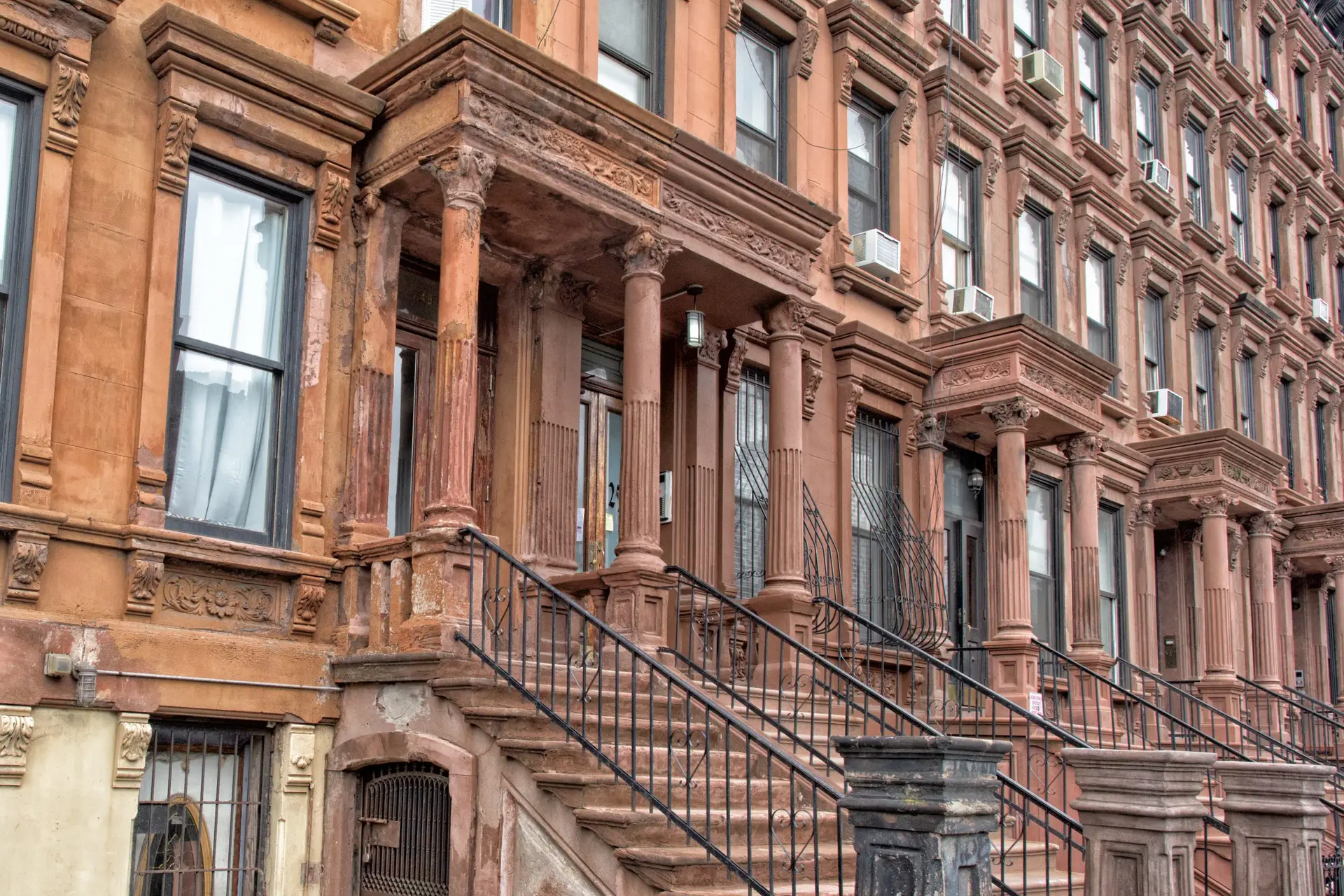
The highest concentration of pre-war residential buildings in Manhattan. Original plumbing materials common throughout these neighborhoods.
Complex recirculation systems and high-rise plumbing with unique water quality considerations across residential and commercial properties.
Former industrial and commercial buildings converted to residential use. Plumbing systems vary significantly from purpose-built residential stock.
Some of Manhattan’s oldest continuously occupied residential buildings. Pre-war construction with original service lines and riser materials.
Converted office towers and new residential development alongside historic commercial buildings with varied plumbing histories.
Original tenement buildings from the 1890s–1920s alongside renovated properties. Water testing for older building stock available.
01
Pre-war co-ops, high-rise towers, brownstones, and commercial properties throughout the borough.
02
Certified specialists collect samples directly from your fixtures at your Manhattan property — with full chain-of-custody documentation.
03
NYS ELAP certified results from NELAP accredited analysis — with EPA action level comparisons and plain-language findings.
Lead remains one of the most closely monitored water quality concerns in Manhattan apartment buildings, particularly in co-op properties and older condominiums where portions of the plumbing system may predate modern standards. While New York City’s water supply does not contain lead when it leaves the distribution system, exposure risk can occur within building infrastructure and unit-level plumbing components.
In many co-op buildings and prewar condominiums, plumbing systems may include legacy materials such as older service connections, solder, or fixtures that can contribute to lead presence under certain conditions. Water that remains stagnant in pipes for extended periods, such as overnight or in low-occupancy units, has more time to interact with these materials. This interaction can result in elevated lead levels at the tap, even when incoming water meets all regulatory standards.
Testing for lead in Manhattan apartments is conducted using first draw sampling methods that capture water after a period of non-use. This approach reflects real-world conditions experienced by residents and provides a more accurate assessment of potential exposure. In multi-unit buildings, results may vary between apartments depending on plumbing layout, floor level, and recent usage patterns.
For co-op boards, building management, and supers, lead testing is an important component of maintaining building safety and transparency. It supports proactive maintenance decisions and provides documentation that can be shared with residents. For individual unit owners and tenants, testing offers clarity about conditions within their specific apartment, ensuring confidence in daily water use.
Brown or cloudy water in a Manhattan apartment is usually related to temporary changes within the building plumbing system or nearby infrastructure activity rather than a problem with the city’s water supply. Cloudy water is often caused by tiny air bubbles that enter the system when pressure changes occur. This type of cloudiness typically clears after the water sits for a short time.
Brown or discolored water is commonly linked to sediment or particles that have been disturbed inside pipes. This can happen during hydrant flushing, construction work, or shifts in water flow within the building. Older plumbing systems may also contribute when internal buildup is loosened and carried through the pipes.
In most cases, these changes are short term and improve after running the water briefly. If the issue continues or occurs frequently, testing can help determine whether the cause is related to building plumbing conditions or another factor.
Manhattan tap water is generally considered safe for drinking and cooking when it leaves the city’s distribution system. The water is sourced from protected reservoirs and treated to meet strict safety standards. Regular monitoring ensures that it remains compliant across the municipal network.
However, once water enters a building, its quality can be influenced by internal plumbing systems. Co-op apartments, condominiums, and rental buildings may have pipes, fixtures, or storage systems that affect water conditions before it reaches the tap. These factors can vary significantly from one building to another and even between units.
For this reason, while the city supply is reliable, testing at the point of use provides a clearer understanding of actual conditions within a specific apartment. This helps residents confirm that water used for drinking and cooking meets their expectations based on their building environment.
The frequency of water testing in Manhattan co-op and condominium buildings depends on factors such as building age, plumbing condition, and occupancy patterns. In general, routine testing is recommended to monitor conditions and identify changes over time. Buildings with older infrastructure or complex plumbing systems may benefit from more frequent evaluations.
Testing is especially important after renovations, plumbing repairs, or any noticeable changes in water appearance or taste. These situations can alter system conditions and may affect water quality at the point of use.
For co-op boards and property managers, establishing a consistent testing schedule supports proactive maintenance and helps ensure transparency with residents. It also provides documentation that can be used to guide future upgrades or system improvements.
Regular testing offers a practical way to maintain confidence in water conditions across all units within the building.
Yes, building plumbing can have a direct impact on water quality, even when the city supply entering the property meets all safety standards. Once water moves beyond the municipal system and into a building, it interacts with internal pipes, fittings, storage tanks, and fixtures that vary in material and condition.
In Manhattan buildings, especially older co-ops and brownstones, plumbing systems may include components that have been in place for many years. Over time, these systems can influence water conditions through factors such as corrosion, buildup, or extended periods of stagnation.
High rise buildings introduce additional complexity through risers, pressure zones, and recirculation systems, all of which can affect how water is distributed and how long it remains within the system.
Because these conditions are specific to each building, water quality can differ between properties and even between apartments in the same building. Testing at the point of use provides a clear understanding of how internal plumbing is affecting water.
If tenants suspect a change in water quality within their Manhattan apartment, the first step is to observe whether the issue is temporary or persistent. Running the water for a short period can help determine if the condition improves, particularly in cases related to sediment or air in the system.
It is also important to check whether the issue is isolated to a single fixture or present throughout the apartment. This can provide useful information about whether the cause is localized or related to the broader building plumbing system.
Tenants should notify building management or the superintendent, as they are responsible for overseeing plumbing conditions within the property. Reporting the issue allows for inspection and coordination of any necessary maintenance.
For a more accurate assessment, professional water testing can be conducted to identify specific conditions at the tap. This provides clear data that can guide next steps and ensure that any concerns are properly addressed.
Manhattan’s cultural institutions—its world-class museums, historic libraries, independent theaters, and landmarked galleries—are the custodians of…
When real estate analysts discuss complex infrastructure management in Manhattan, they typically point to luxury…
In the competitive landscape of Manhattan real estate, property management is traditionally evaluated through visible…
Every neighborhood. Every property type. Serving Manhattan since 1991.
Residential and commercial. Every Manhattan neighborhood. Available 24 hours, 365 days.
Your name
Your email
Your phone number
Address or Zip Code
Services School Day CarePools SpasResidentialCommercialOther
School/Daycare Name Approximately how many cold water points of use are on your schools premises?
Age of the Home or Building? Years at this Address? Is this well water or city/municipal water? Is this request a city or regulatory requirement such as for a real estate transaction?
Age of the property? Is this request a city or regulatory requirement? Is this for well water or city/municipal water?
Your message Please prove you are human by selecting the truck.