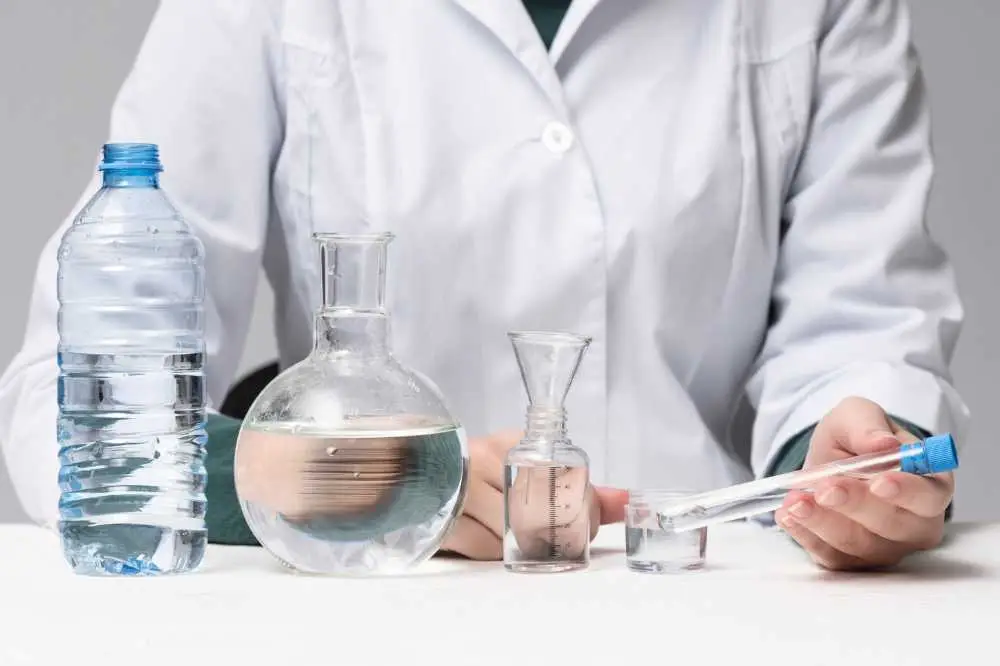
In Manhattan, expectations around water quality have changed. What was once considered a niche service—professional water testing—is quickly becoming a standard part of building management, real estate due diligence, and even everyday apartment living. Owners, boards, and residents are no longer satisfied with assumptions about water safety. They want data, clarity, and accountability.
This shift reflects a broader trend: water quality is no longer just a background utility. In a city defined by aging infrastructure, vertical living, and constant construction, understanding what’s actually coming out of the tap has become a practical necessity.
Over the past decade, professional testing has moved from reactive to proactive. Instead of waiting for complaints about discoloration or taste, many Manhattan buildings now incorporate routine testing into their maintenance strategies. The goal is not just to fix problems, but to understand systems before issues arise.
One of the main drivers behind this shift is the complexity of Manhattan’s building stock. While New York City provides high-quality source water, the journey from the main to the faucet is anything but simple. Water passes through risers, valves, storage tanks, and often decades-old plumbing before reaching an apartment. Each of these points introduces variables that can affect quality.
In prewar and mid-century buildings, internal plumbing is often the biggest factor. Corrosion, sediment buildup, and mixed piping materials can all influence test results. This has led more property managers to seek out detailed assessments of their systems, rather than relying on assumptions. Pages like Water Testing Manhattan highlight how localized services are responding to this demand by focusing specifically on building-level conditions rather than just source water.
Another factor pushing water testing into the mainstream is increased awareness among residents. Apartment buyers and renters are asking more questions than ever before. Alongside inspections and disclosures, water quality is becoming part of the conversation. In some cases, testing is requested before closing; in others, it’s part of ongoing tenant expectations. Resources like <a href=”https://watertestingmanhattan.com/apartment-water-testing/”>apartment testing</a> reflect how this demand is being addressed at the unit level.
At the same time, building owners are recognizing that water quality is closely tied to long-term asset value. Plumbing systems are expensive to maintain and even more costly to replace. Testing provides insight into how those systems are performing, helping owners make informed decisions about repairs, upgrades, and maintenance schedules. Instead of reacting to emergencies, they can plan strategically.
There is also a regulatory and public health dimension to this trend. While most private residential buildings are not subject to the same requirements as public water systems, guidance from organizations like the U.S. Environmental Protection Agency and the New York City Department of Environmental Protection has raised awareness about contaminants such as lead, copper, and microbial risks. Even when not legally required, many buildings choose to test in order to align with best practices.
Lead, in particular, has played a significant role in changing attitudes. Older plumbing systems may still contain lead components, and even small amounts can influence test results under certain conditions. Professional testing helps distinguish between system-wide issues and localized sources, providing clarity that simple at-home kits often cannot.
Another reason professional testing is gaining traction is the limitation of visual inspection. Clear water is not always clean, and discolored water is not always dangerous. Without proper analysis, it’s difficult to interpret what’s actually happening. Laboratory testing can identify a wide range of parameters, from metals and minerals to bacteria and chemical compounds. This level of detail allows for more accurate diagnosis and targeted solutions.
In Manhattan, where buildings often rely on rooftop storage tanks, testing also plays a role in verifying maintenance practices. Tanks are a normal part of high-rise water distribution, but they require regular cleaning and inspection. Professional testing can confirm whether maintenance is effective or if additional attention is needed.
The growth of water testing services has also made the process more accessible. What used to require specialized coordination can now be arranged quickly, often with clear reporting and guidance. Many providers offer tailored testing panels based on building type, plumbing conditions, and specific concerns. This flexibility has helped normalize testing as part of routine building care.
At the building level, testing is increasingly tied to broader plumbing evaluations. Understanding water quality often leads to a closer look at the infrastructure itself. Services related to <a href=”https://watertestingmanhattan.com/building-plumbing/”>plumbing</a> are becoming part of the same conversation, as owners seek to connect test results with physical conditions inside their systems.
There is also a strong local component to this trend. Manhattan is not a uniform environment. Neighborhoods differ in building age, construction activity, and infrastructure history. What’s typical in the Upper West Side may not be the same in the Financial District or Midtown. This variability makes localized knowledge especially valuable. Exploring <a href=”https://watertestingmanhattan.com/manhattan-neighborhoods/”>neighborhoods</a> can provide additional context for how water quality issues may differ across the borough.
External research continues to reinforce the importance of building-level factors. Studies and guidance from organizations like the Centers for Disease Control and Prevention emphasize that water quality at the tap is influenced not just by the source, but by the distribution system and internal plumbing. This aligns with what many Manhattan building owners are already experiencing: the city provides a strong foundation, but the final result depends on what happens inside the building.
Another aspect of this shift is communication. Residents are more informed and more engaged, and they expect transparency. When issues arise—whether it’s discoloration, taste, or test results—clear communication backed by data is essential. Professional testing provides that data, helping boards and managers respond with confidence rather than speculation.
For those new to the topic, resources like the <a href=”https://watertestingmanhattan.com/faq/”>FAQ</a> section can help clarify common questions about testing methods, results, and next steps. Education is a key part of making water testing more accessible and less intimidating.
Importantly, moving into the mainstream does not mean that every building faces serious water quality problems. In many cases, testing confirms that systems are functioning as expected. But even these results have value. They provide a baseline, establish confidence, and create a record that can be referenced in the future.
When issues are identified, testing allows for targeted solutions. Instead of broad, costly interventions, owners can focus on specific areas—whether it’s replacing a section of pipe, adjusting maintenance schedules, or improving tank cleaning procedures. This precision is one of the main advantages of professional testing.
The trend also reflects a broader cultural shift toward data-driven decision-making. In a city where real estate is highly competitive and building performance is closely scrutinized, having reliable information is an asset. Water quality is becoming part of that equation, alongside energy efficiency, air quality, and overall building health.
As more Manhattan buildings adopt professional testing, it is likely to become an expected standard rather than an added service. Buyers may begin to request recent test results as part of due diligence. Boards may include testing in their annual budgets. Property managers may treat it as a routine aspect of operations.
For residents and owners interested in taking the next step, starting with a conversation is often the easiest approach. Reaching out through a <a href=”https://watertestingmanhattan.com/contact/”>contact</a> page or consulting with a qualified provider can help determine what type of testing is appropriate for a specific building or unit.
Professional water testing is no longer on the margins in Manhattan. It is becoming part of how buildings understand themselves—how they manage risk, maintain value, and respond to the expectations of modern residents. In a city built on layers of history and infrastructure, that kind of clarity is not just useful. It’s becoming essential.