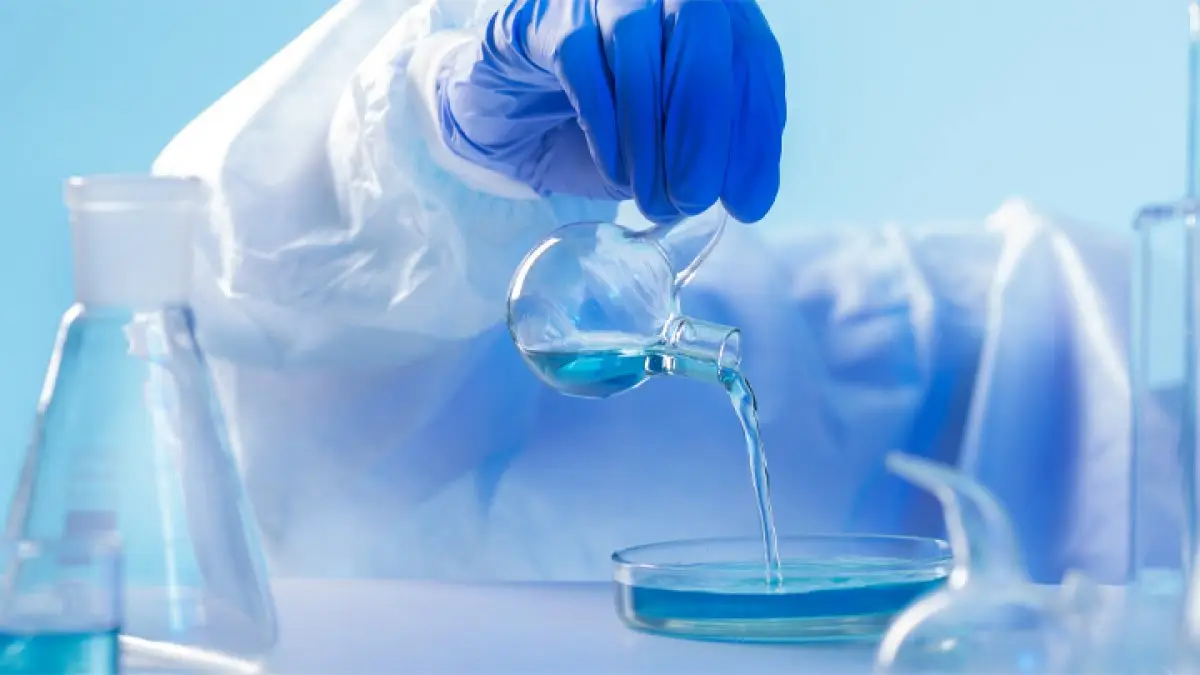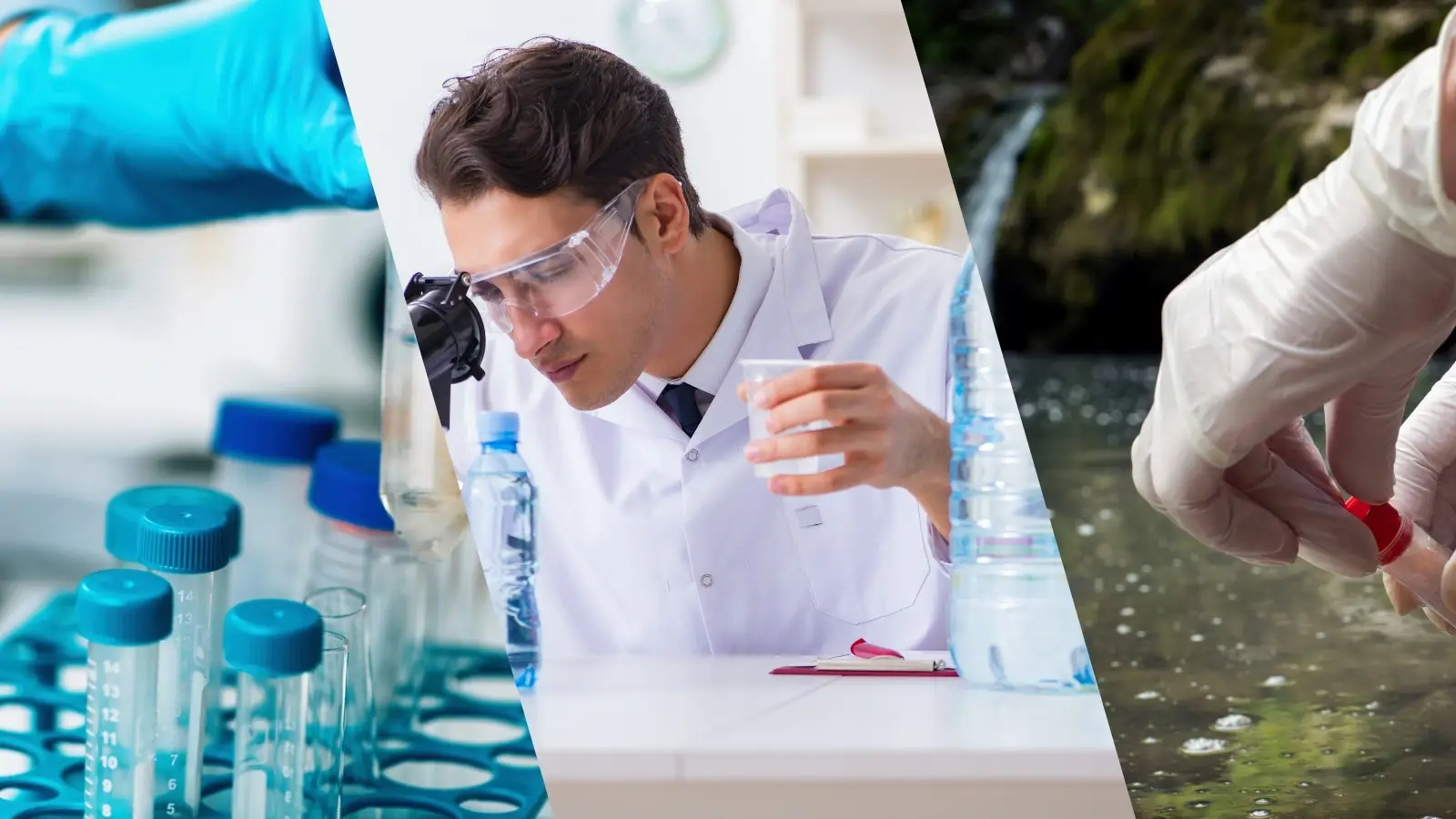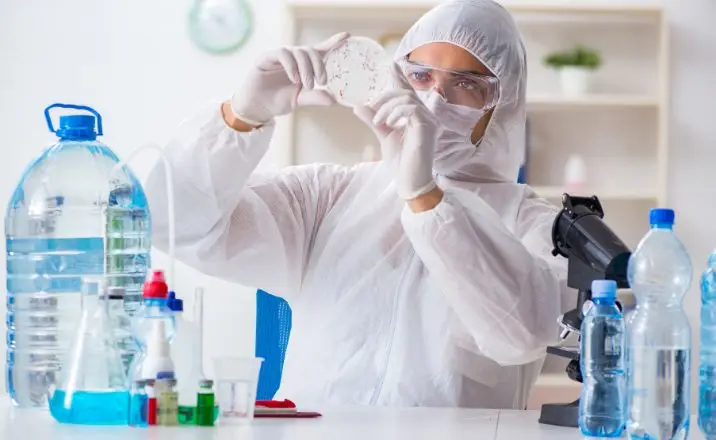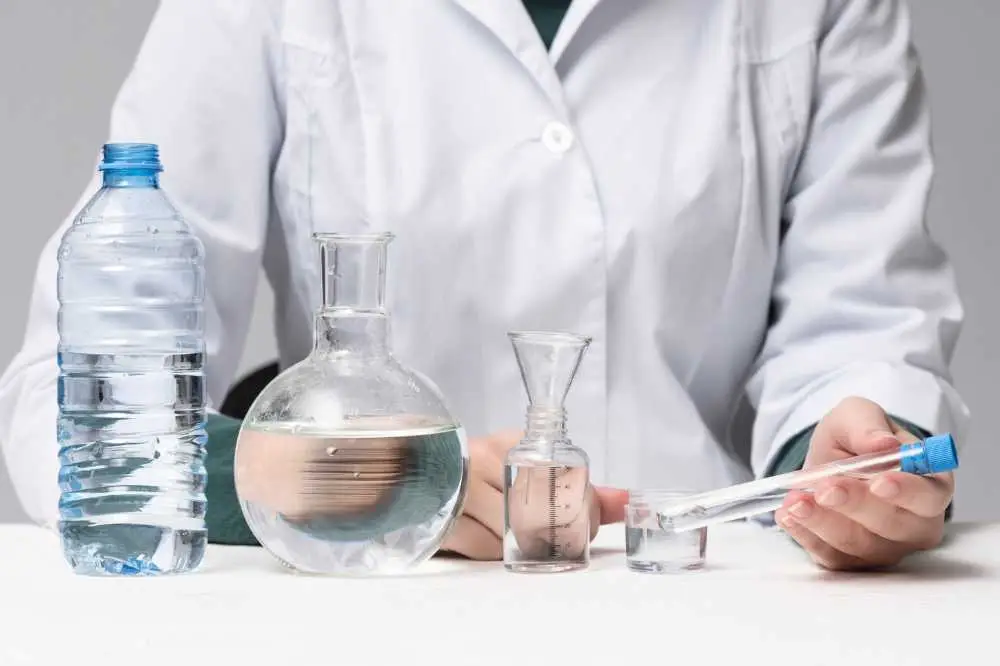
For decades, standard property due diligence and residential water testing in Manhattan followed a highly predictable script focusing almost exclusively on legacy plumbing degradation. To help property owners navigate today’s expanded environmental landscape, water testing laboratories Manhattan now look beyond baseline issues like lead, copper, and iron sediment to screen for emerging chemical risks. For a long time, water safety concerns were thought to exist solely within a building’s internal walls, with technicians checking for pipe corrosion or standard bacterial strains thriving in stagnant utility loops. However, there is a growing realization that some of the most persistent threats to water quality are modern, synthetic chemical compounds that enter the municipal system long before water ever reaches a property’s master meter.
Specifically, per- and polyfluoroalkyl substances—collectively known as PFAS—have rapidly shifted from a specialized research topic to a standard, highly requested component of routine water diagnostics. These “forever chemicals” are linked to long-term health concerns and are subject to increasingly strict standards, such as the EPA’s target limit of 4 parts per trillion highlighted by organizations like the Environmental Working Group. By providing certified, high-precision analysis, these laboratories help co-op boards, landlords, and residents identify trace chemical contaminants, verify the effectiveness of advanced filtration systems, and make highly informed decisions regarding their property’s safety.
What Are PFAS and Why Are They in the Spotlight?
PFAS are a massive family of thousands of synthetic, human-made chemicals that were first developed in the mid-20th century. Celebrated for their extraordinary resistance to heat, water, oil, and chemical corrosion, they became the foundational engineering components for an endless array of industrial processes and consumer goods.
From non-stick cookware coatings and stain-resistant luxury carpets to waterproof apparel and specialized firefighting foams used at airfields and industrial sites, PFAS were integrated into the fabric of modern life.
          [Widespread Industrial & Consumer Use]
                            │
                            ▼
     [Environmental Persistence / No Natural Decay]
                            │
                            ▼
   [Migration into Surface Waters & Regional Aquifers]
                            │
                            ▼
[Trace Concentrations Detected at Private & Commercial Taps]
However, the exact chemical bond that makes PFAS so industrially valuable—the incredibly strong bond between carbon and fluorine atoms—also makes them nearly indestructible in the environment. They do not naturally break down over time, earning them the definitive nickname “forever chemicals.”
As a result of decades of global use, these compounds have slowly migrated into global water cycles, finding their way into surface waters, deep aquifers, and regional reservoirs.
The Shifting Regulatory Landscape Driving Local Awareness
The sudden spike in demand for PFAS monitoring throughout Manhattan isn’t an accident; it is a direct response to a massive shift in state and national public health policy.
Enforceable Limits
The U.S. Environmental Protection Agency (EPA) finalized strict National Primary Drinking Water Regulations establishing legally enforceable Maximum Contaminant Levels (MCLs) for six specific PFAS compounds. Most notably, perfluorooctanoic acid (PFOA) and perfluorooctane sulfonic acid (PFOS) are restricted to a remarkably low 4.0 parts per trillion (ppt).
To put that metric into perspective, one part per trillion is roughly equivalent to a single drop of water diluted into twenty structural Olympic-sized swimming pools.
Local Harmonization
New York State was an early leader in emerging contaminant oversight, having previously established its own strict protective limits of 10 ppt for PFOA and PFOS. Local health departments and environmental conservation agencies are actively working to align state frameworks with the ultra-low federal baselines.
These evolving benchmarks mean that public water utilities face unprecedented requirements to monitor, report, and eventually implement massive capital improvements to filter out these trace organic compounds.
Why Luxury Real Estate Demands Advanced Analysis
In a real estate market as sophisticated as Manhattan’s, properties are viewed not just as living spaces, but as high-value long-term assets and sanctuaries for personal health. The increasing integration of PFAS panels into residential building assessments is being propelled by several market realities:
- The Protection of Asset Value: For cooperative and condominium boards, establishing a clear, proactive record of a building’s chemical profile is becoming an essential risk-management tool. Documenting that a property’s internal building plumbing stacks deliver water free of modern chemical traces adds a tangible premium to the asset’s market profile.
- Limitations of Municipal Systems: While municipal water treatment facilities do an incredible job of monitoring broad safety metrics and ensuring water meets current baseline distributions, the long journey water takes through regional infrastructure means trace compound profiles can fluctuate. Property owners are increasingly choosing not to make assumptions about what is coming out of their individual taps.
- Evaluating Specialized Filtration: Many high-end residential renovations include the installation of complex whole-home or point-of-use water purification systems. Incorporating independent laboratory testing before and after system installation is the only way to verify that a system’s activated carbon or reverse osmosis matrices are successfully capturing these microscopic synthetic compounds.
To explore how building ages, local infrastructure developments, and changing environmental regulations impact different parts of the city, checking our specialized overview of Manhattan neighborhoods can provide invaluable context for property managers.
The Specialized Nature of PFAS Sample Collection
Testing for forever chemicals requires a level of laboratory precision that is vastly different from traditional heavy metal or bacterial testing. Because PFAS are so common in everyday consumer goods, the risk of accidental cross-contamination during the sampling process itself is incredibly high.
A field technician collecting a water sample must follow highly rigid protocols. They cannot wear clothing treated with water-resistant coatings, utilize certain synthetic fields books, or even use standard plastic sampling containers that might contain trace fluoropolymers.
The sample must be collected in specialized, verified contaminant-free vessels and analyzed using highly sensitive laboratory instrumentation, such as Liquid Chromatography with Tandem Mass Spectrometry (LC-MS/MS). This advanced process separates out individual organic molecules based on their exact mass, providing a definitive, unassailable measurement of parts-per-trillion concentrations.
Because these synthetic chemicals are entirely colorless, odorless, and tasteless, relying on basic over-the-counter home testing kits or visual inspection is completely useless. Professional independent water testing is the only mechanism available to accurately confirm the presence or absence of these emerging compounds.
Adapting Oversight to an Evolving World
True water safety requires a forward-looking approach that evolves alongside modern scientific consensus and shifting regulatory standards. By acknowledging that modern water analysis extends far beyond the physical pipes within your apartment walls, you can take smart, proactive steps to fully control your environmental health.
Whether you are executing due diligence on a new property acquisition, verifying the performance of a high-end filtration system, or looking to establish an institutional safety baseline for a multi-family cooperative, stay informed. Take a look at our comprehensive FAQ for detailed breakdowns of emerging contaminants, visit our blog for ongoing infrastructure updates, or reach out through our contact page to consult with our specialized team of water testing consultants today.