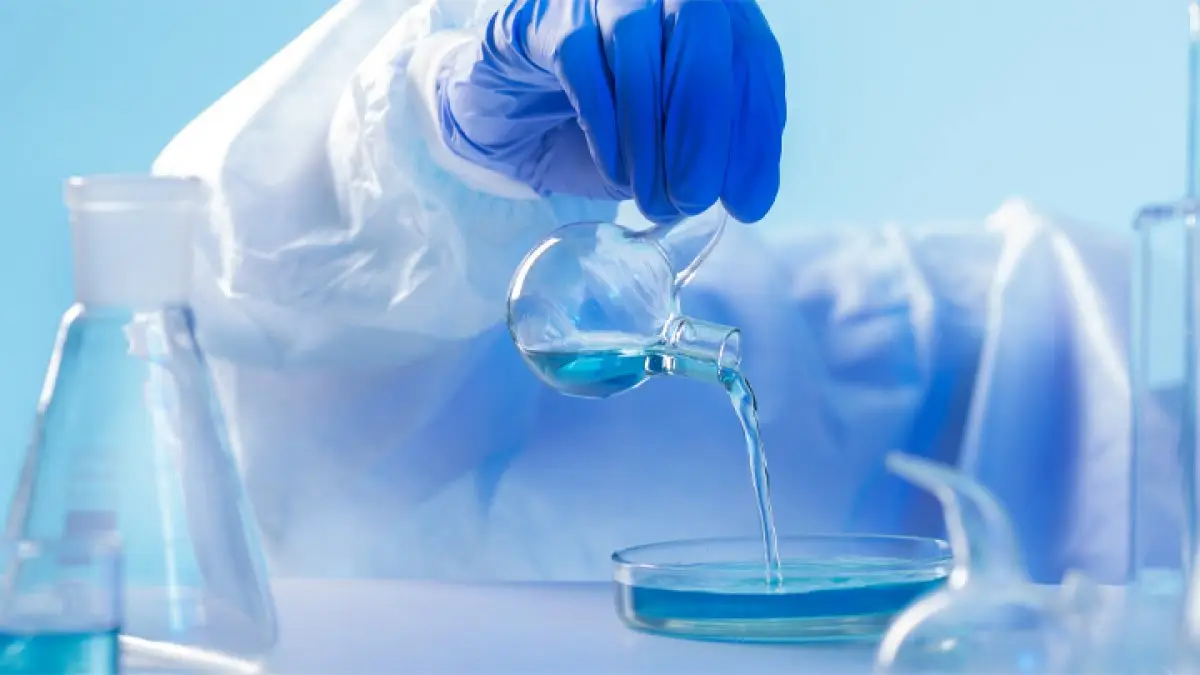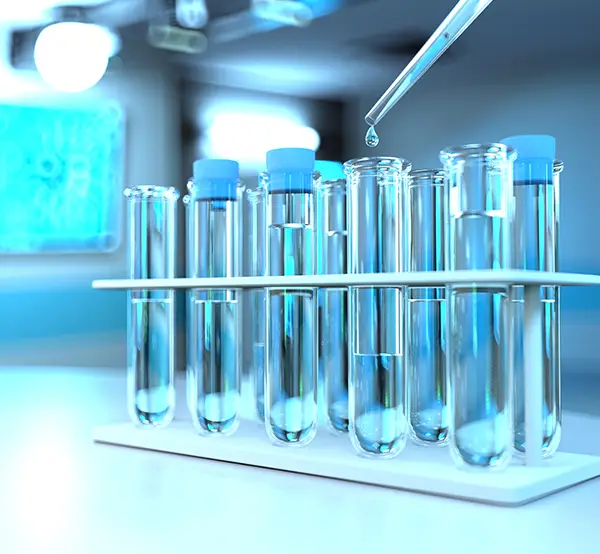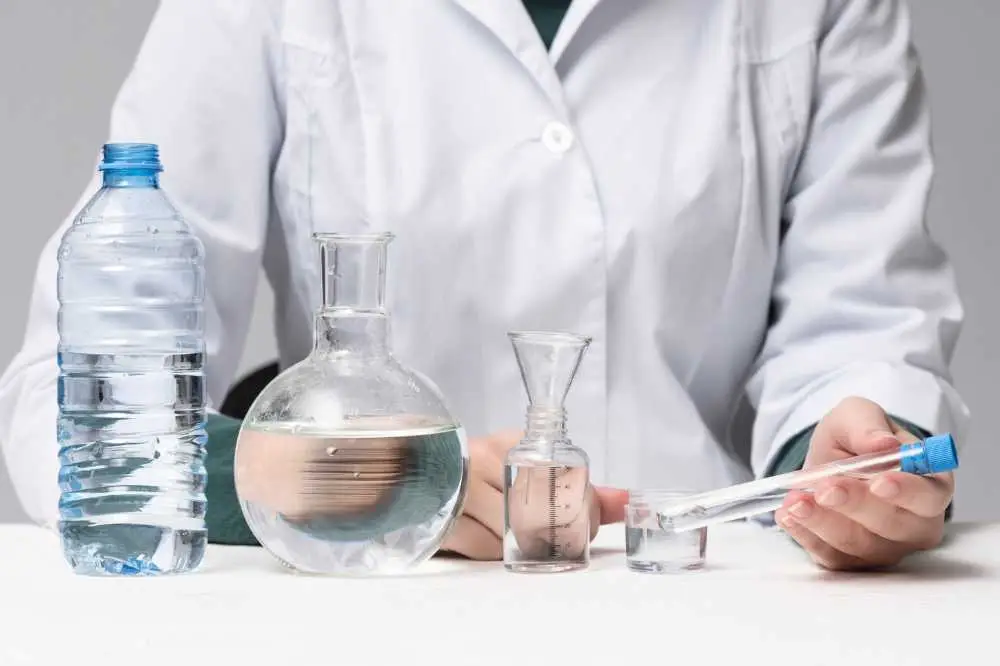
Water testing services work by sending certified technicians to collect water samples directly from a property’s fixtures, risers, and main utility lines, which are then analyzed in accredited laboratories for contaminants like lead, copper, bacteria, and sediment. This process is especially important in the West Village, one of Manhattan’s most fiercely preserved historic enclaves, known for its winding cobblestone streets, landmarked brownstones, and converted 19th-century industrial lofts.
For property owners and condominium boards in this affluent area, restoring and modernizing these historic structures is a continuous pursuit, with high-end kitchen expansions, architectural bathroom transformations, and complete structural overhauls frequently underway behind the neighborhood’s iconic brick facades. Throughout these projects, water testing services provide clear, science-based results that help owners confirm the plumbing behind these historic walls remains safe as renovations progress.
The Mechanical Vibrations of Restoration Work
To understand why a restoration project down the hall or within your own property can affect your tap water, it helps to analyze how older plumbing networks behave over time. Over decades of continuous exposure to municipal water, the interior surfaces of vintage metallic pipes develop a complex, protective mineral scale or “rust layer.” This internal coating acts as a physical and chemical barrier, separating the raw metal of the pipe from the water stream and significantly slowing down the rate at which metals dissolve into the water supply.
When a contractor begins structural demolition, reconfigures walls, or cuts into old pipe sections, this delicate equilibrium is violently interrupted. The physical vibration from high-powered drilling, structural masonry cutting, and pipe removal sends intense mechanical shockwaves through the building’s shared plumbing stack.
This localized seismic stress causes the brittle, internal mineral scale of neighboring pipes to fracture and flake off. As a result, microscopic debris, accumulated heavy metals, and rust particulate dislodge directly into the flowing water stream, frequently traveling into neighboring units.
Furthermore, plumbing modifications inevitably require shutting off localized vertical water risers. When a line is isolated and drained, oxygen rapidly enters the system, accelerating internal pipeline oxidation. When the water utility or building superintendent re-pressurizes the system, a sudden hydraulic surge—or “pressure shock”—sweeps through the lines. This violent rush of water shears away unstable biofilms and heavy metal particulates that had settled during stagnation, carrying them straight to your kitchen and bathroom fixtures.
Heavy Metals: The Immediate Threat of Lead and Copper Leaching
The most acute risk introduced by localized building restorations is a sudden, invisible spike in heavy metal concentrations. The West Village contains one of the city’s highest densities of pre-war and 19th-century residential architecture. While New York City’s municipal water mains do not contain lead, the internal plumbing networks of older buildings frequently do—primarily in the form of vintage lead service lines, lead-soldered copper joints, or heavy brass fixtures.
The Problem of Partial Pipe Replacements
A highly common scenario occurs when a property owner replaces the old interior plumbing lines within their own unit with brand-new copper or PEX lines, while connecting back to the building’s original brass or galvanized iron risers. Decades of environmental engineering research demonstrate that executing a partial plumbing line replacement can act similarly to disturbing a source of fine toxic dust right inside the plumbing system.
When a new copper line is connected directly to an older lead or galvanized iron pipe, it can establish a localized galvanic cell. This chemical interaction acts as a battery, heavily accelerating the corrosion of the older, less noble metal. This reaction leads to significantly elevated levels of lead leaching into the tap water—a hazard that can persist for weeks or months after the construction crew has packed up and departed.
Solder Flux Residues and Nitrification Risks
Even in completely new construction or comprehensive full-stack modernizations, newly installed copper pipes require chemical soldering flux to join individual sections together. If a contractor fails to thoroughly flush the system according to strict post-construction standards, residual flux containing high amounts of ammonia can remain trapped within the plumbing loops.
Ammonia acts as a direct food source for nitrifying bacteria, triggering a biological and chemical cascade that lowers the local pH of the water, making it highly acidic. This localized acidity aggressively accelerates copper leaching. High copper concentrations not only leave unsightly blue-green stains in custom marble sinks but can also cause acute gastrointestinal distress when consumed.
Stagnation and the Proliferation of Biofilms
Luxury restorations rarely happen overnight. In complex historic properties, high-end construction can take months, during which specific sections of the plumbing remain entirely stagnant.
When water sits motionless within internal building plumbing networks, the chemical disinfectants added by municipal treatment plants—such as residual chlorine—begin to break down and dissipate rapidly. Without a constant fresh flow of chlorinated water, the interior of the pipe becomes an ideal breeding ground for complex microbial communities known as biofilms.
Biofilms are slimy matrices of bacteria that cling firmly to pipe walls, shielding microorganisms from any remaining trace disinfectants. These biological layers can trap and nurture opportunistic pathogens like Legionella pneumophila and Pseudomonas aeruginosa, which multiply rapidly in warm, stagnant building pipes. When water lines are finally re-pressurized and opened for everyday use, the physical shear forces can tear off chunks of this biological slime, introducing hidden bacterial loads directly to your kitchen and bathroom taps.
Modern Materials: Leaching of Volatile Organic Compounds (VOCs)
To bypass the labor-intensive process of welding copper inside historic, tight spaces, many modern contractors turn to flexible polymer materials, such as Cross-linked Polyethylene (PEX) or CPVC, for interior upgrades. While these modern materials completely eliminate traditional mineral corrosion and rust, they introduce an entirely different chemical profile to the water system.
Newly installed polymeric and plastic plumbing lines can leach volatile organic compounds (VOCs) straight into drinking water. Compounds such as benzene, xylene, and various methyl-t-butyl ethers can migrate from the plastic matrix or the specialized chemical solvents used to seal plastic joints. This chemical leaching is particularly pronounced during the initial months following a restoration, or when water is allowed to sit stagnant in the new plastic lines overnight.
Navigating the Challenges of Historic Neighborhood Layouts
The architectural variety of the West Village requires a highly tailored approach to managing water safety. A structural change that is completely safe for a modern high-rise could trigger a severe water quality issue in a landmarked townhouse.
- Landmarked Cooperatives: These buildings feature intricate, shared vertical risers. A restoration on the 3rd floor can shake loose decades of particulate matter, sending it directly into the apartment lines of the 4th and 2nd floors.
- Converted Industrial Lofts: Often utilizing massive galvanized iron supply lines, these properties are heavily prone to internal iron scaling. Mechanical disruptions frequently lead to sudden bursts of discolored, rust-heavy water and a distinct metallic taste.
- Historic Townhouses: Independent townhouses frequently possess older water service lines connecting to the street. Structural work near the foundation can physically disturb these lines, leading to sudden shifts in incoming water clarity.
To understand the localized infrastructure risks unique to your specific block, exploring a dedicated breakdown of Manhattan neighborhoods can provide valuable insight into how building age correlates with tap water vulnerability.
Practical Mitigation Strategies for Residents and Contractors
If you are planning an upgrade or notice active restoration work in your building, taking proactive steps can ensure your water remains pure and uncontaminated.
1. Implement Post-Construction Flushing Plans
Do not immediately consume water from a newly modified plumbing line. Run your taps systematically to clear out loosened sediment and stagnant water. However, standard short flushes are not always enough to clear heavy contamination from complex layouts. Property managers should utilize updated architectural drawings to establish comprehensive, multi-point flushing protocols that ensure all trapped particulate, flux residues, and biological slimes are completely purged from the system.
2. Protect Low-Flow Fixtures
Modern eco-friendly, low-flow faucets and showerheads are easily clogged by construction debris. The small aerators trap metallic flakes and rust scale, creating a localized point where heavy metals continuously dissolve into your water stream. Remove and clean these aerator screens thoroughly after any nearby construction activity.
3. Verify Safety with Professional Testing
Because heavy metals like lead and chemical contaminants like VOCs are completely invisible, odorless, and tasteless, guessing is never a reliable safety strategy. Conducting a comprehensive laboratory analysis through a dedicated water testing protocol is the only definitive way to confirm that your water is free from construction-induced hazards. Testing should ideally be performed before work begins to establish a baseline, and two to four weeks post-construction to ensure the lines have completely stabilized.
Proactive Water Safety
A beautiful historic restoration should elevate your quality of life, not compromise the foundational safety of your drinking water. By recognizing how easily construction vibrations, structural stagnation, and new material installations can upset the delicate balance of your building’s plumbing, you can take smart, preventative action.
Whether you are coordinating an upcoming remodel or simply navigating the realities of living in a changing, historic neighborhood, stay informed. Visit our blog for ongoing insights into urban water systems, review our comprehensive FAQ to learn more about localized contaminants, or contact our team today to schedule an independent analysis of your apartment’s tap water.