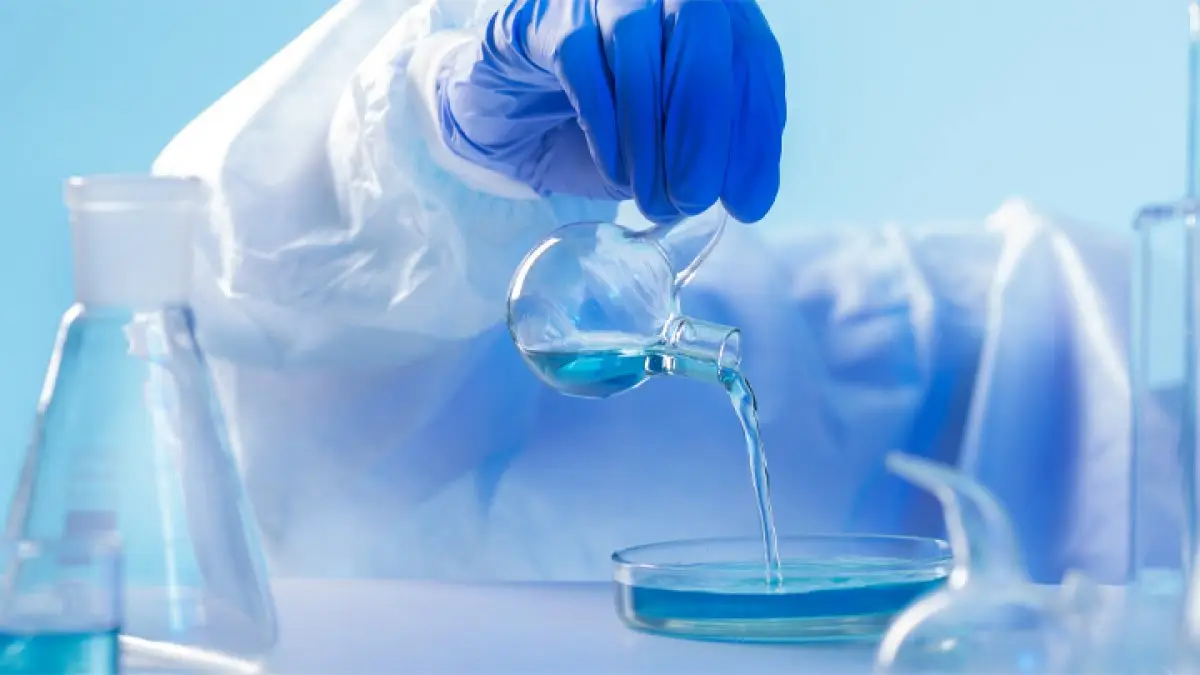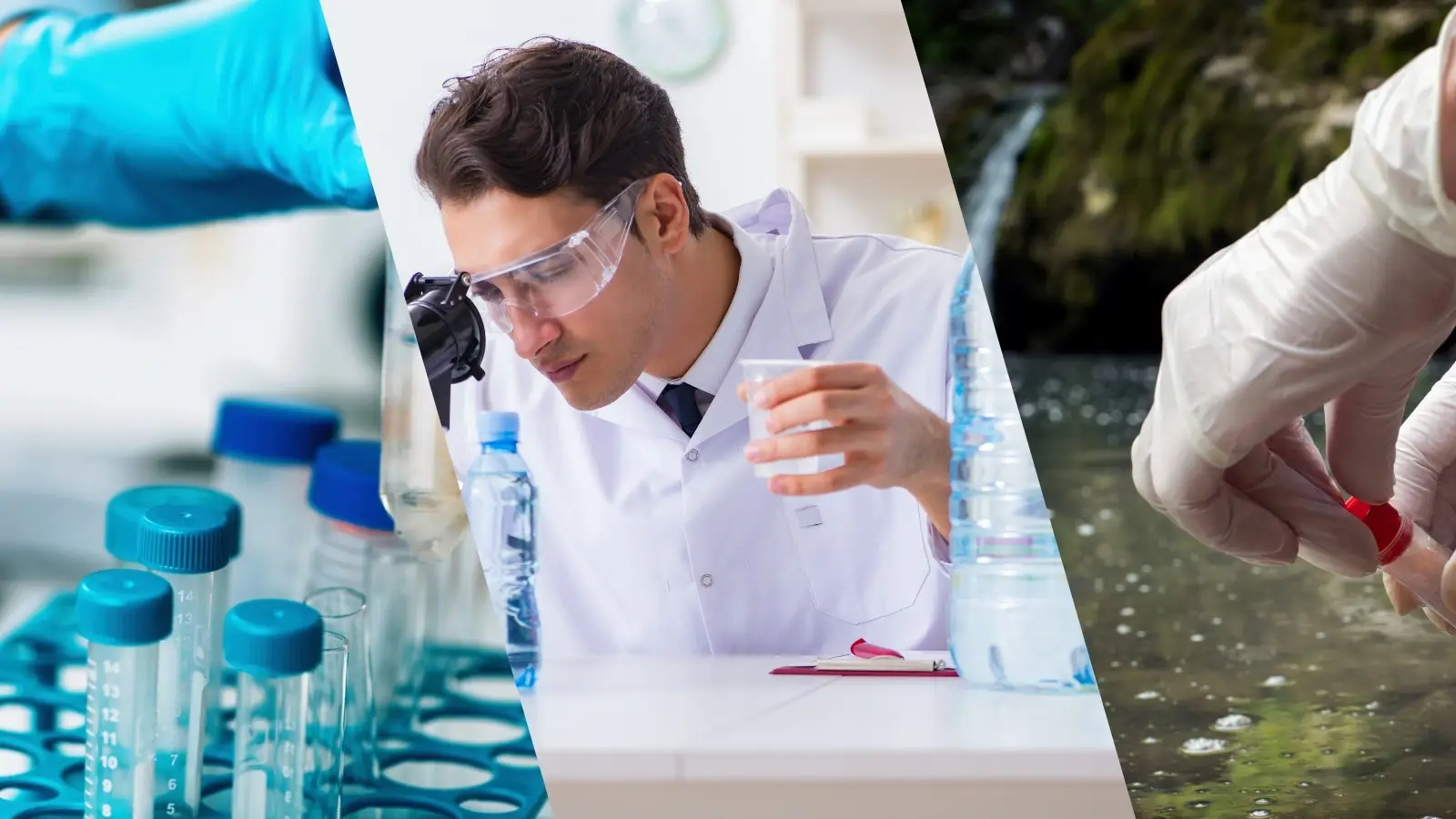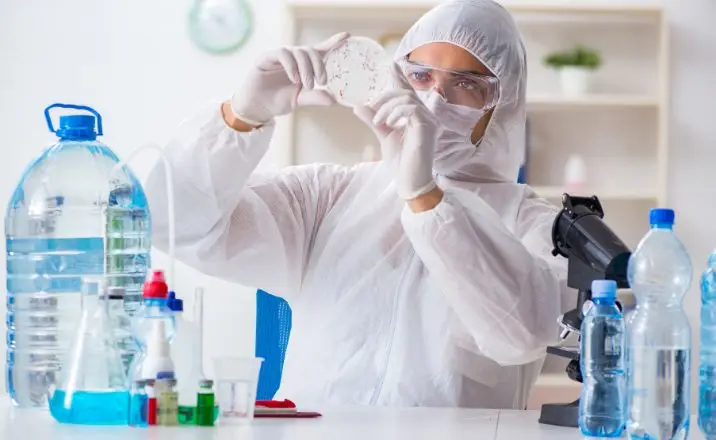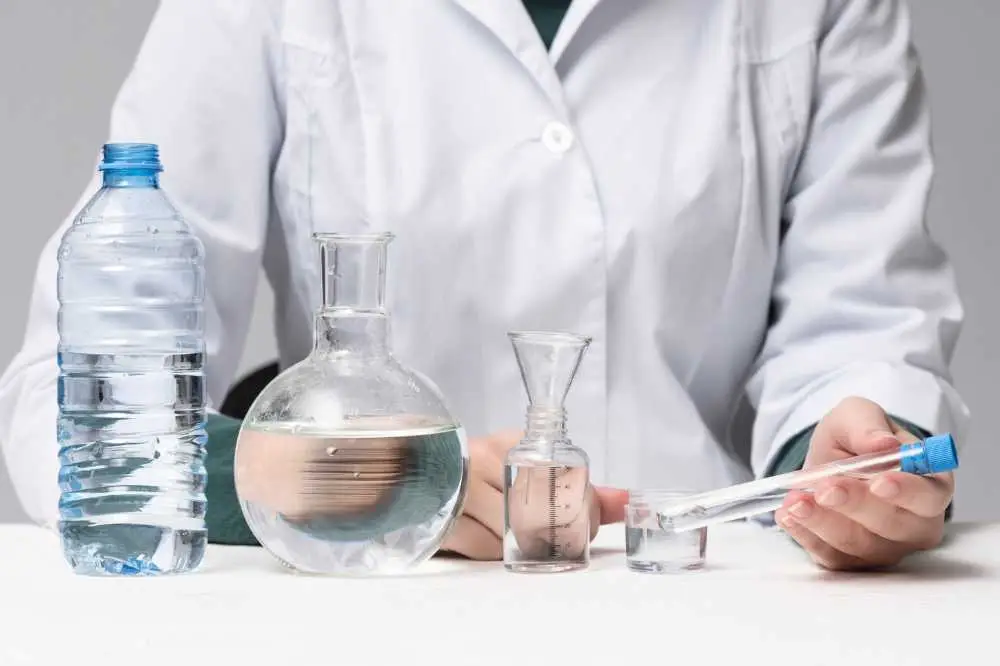
A healthier community begins with something we often take for granted: the water flowing from our taps. Across Queens, from single-family homes to sprawling apartment complexes, the quality of drinking water directly shapes the well-being of families and neighborhoods alike. Water testing laboratories Queens play such a meaningful role in public health, giving people clear, science-backed answers about what they are actually drinking. A testing laboratory collects samples from your taps, analyzes them with precision instruments, and reveals exactly which contaminants are present and whether your water meets safety standards. But the impact of testing reaches beyond any single household. When more residents test their water and act on the results, the entire community grows healthier. This article explores how water quality testing helps build a healthier Queens, one home and one neighborhood at a time.
Water Quality as a Foundation of Community Health
Public health is built on many foundations, and safe drinking water is among the most fundamental. Water touches nearly every aspect of daily life, from the water we drink to the food we prepare, making its quality inseparable from our overall wellbeing.
When water quality is compromised, the effects ripple through a community. Contaminants like lead can affect children’s development, bacteria can cause illness, and chronic exposure to certain substances can contribute to long-term health problems. Conversely, when a community prioritizes water safety, it lays a foundation for healthier families, better outcomes for children, and greater peace of mind for everyone. Testing is the essential first step in building that foundation.
The Diverse Water Challenges Across Queens
Queens is one of the most diverse places in the world, and its housing is just as varied. This diversity means water quality challenges differ from one neighborhood and building type to another.
Older Single-Family Homes
Established neighborhoods feature many older single-family homes, some built decades ago with plumbing that may include lead pipes, lead solder, or aging fixtures. These homes carry a higher risk of lead and corrosion-related contaminants, making testing particularly valuable for the families who live in them.
Apartment Buildings and Shared Systems
Denser areas include apartment buildings with complex, shared water systems, often involving rooftop or basement storage tanks. In these buildings, a single point of contamination can affect many residents, and the responsibility for water safety extends across an entire community of tenants.
Mixed and Aging Infrastructure
Throughout Queens, aging infrastructure presents ongoing challenges. Older mains, corroding pipes, and a patchwork of plumbing materials mean that water quality can vary significantly, even between neighboring buildings. This variability underscores the importance of building-specific testing.
How Testing Protects Individual Families
At its core, water testing protects the households that rely on it. Understanding what testing reveals shows why it matters so much for every family.
Comprehensive Analysis
A certified laboratory examines water across three dimensions to build a complete picture of its safety:
- Physical analysis measures clarity, color, and dissolved solids, revealing visible warning signs
- Chemical analysis quantifies contaminants such as lead, copper, nitrates, and PFAS
- Microbiological analysis screens for bacteria, viruses, and parasites, including coliform and E. coli
Detecting the Invisible
Many of the most dangerous contaminants, including lead and certain bacteria, are invisible, tasteless, and odorless. Testing detects these hidden threats using advanced instruments that measure contaminants at extremely low concentrations, far beyond what any home kit or the senses can achieve. This protects families from risks they would otherwise never know existed.
Empowering Informed Decisions
Clear reporting turns complex data into practical understanding, empowering families to make informed decisions about filtration, plumbing, and their water. This knowledge transforms uncertainty into confident action.
From Individual Homes to Community-Wide Health
The benefits of water testing extend well beyond individual households. As more residents test their water, the entire community grows healthier and more resilient.
When families understand their water quality, they make better decisions and take steps to protect their health. When renters and homeowners raise concerns and request testing, they encourage landlords, property managers, and building owners to prioritize water safety. This collective attention raises the standard for everyone, turning individual awareness into community-wide protection. A neighborhood where water testing is common is a neighborhood where problems are caught early, addressed promptly, and prevented from affecting the vulnerable. In this way, each household that tests its water contributes to the health of the broader Queens community.
Protecting the Most Vulnerable in Our Community
A healthier community is measured in part by how well it protects its most vulnerable members. Certain residents face greater risks from water contamination, making their protection a priority for the whole community.
Infants, young children, and pregnant residents are especially vulnerable to contaminants like lead and nitrates, which can affect development in lasting ways. Elderly and immunocompromised residents face heightened danger from bacterial contamination. By prioritizing water testing, families and communities protect these vulnerable members before harm can occur. Every test that catches a problem early, and every action taken in response, contributes to a Queens where the most susceptible are shielded and cared for.
Turning Test Results Into Healthier Outcomes
Testing delivers its full value only when results lead to action. If testing reveals elevated lead, solutions may include replacing pipes or fixtures, or installing certified filtration. Bacterial contamination may call for disinfection and follow-up testing. Even clean results carry value, confirming safety and establishing a baseline for the future. When households across Queens act on their results, the cumulative effect is a healthier community: fewer children exposed to lead, fewer families affected by contamination, and greater confidence in the water everyone shares. Retesting periodically and after any plumbing changes keeps this protection strong over time.
Practical Steps for a Healthier Queens
Building a healthier community through water testing is achievable with a few practical habits that any resident can adopt.
- Test your water regularly, at least annually and after any plumbing changes
- Learn about your building or neighborhood, including its age and common local water risks
- Act on your results, whether through filtration, plumbing repairs, or further testing
- Share what you learn with neighbors, landlords, and property managers to spread awareness
- Advocate for testing in shared buildings to protect all residents
Sustained across the community, these habits help ensure that safe water becomes a shared reality rather than an individual hope.
Who Should Prioritize Water Testing in Queens?
- Families with infants, young children, or pregnant residents, who face the greatest risks
- Homeowners in older neighborhoods, where aging pipes and lead are common concerns
- Renters and property managers in apartment buildings with shared water systems
- Households with elderly or immunocompromised members, who are vulnerable to illness
- Anyone noticing changes in water taste, odor, color, or staining around fixtures
Because the most serious contaminants are invisible, appearance alone cannot confirm safety. Testing is the dependable foundation of a healthier home and a healthier Queens.
Frequently Asked Questions
How does water testing contribute to community health?
Water testing protects individual families by revealing hidden contaminants, and as more residents test and act on their results, the whole community benefits. Problems are caught early, vulnerable residents are protected, and the overall standard of water safety rises across neighborhoods.
Why does water quality vary so much across Queens?
Queens has diverse housing, from older single-family homes to apartment buildings with shared systems, and a patchwork of aging infrastructure. This means water quality can differ significantly between neighborhoods and even neighboring buildings, making building-specific testing important.
What contaminants should Queens residents test for?
Lead is often the top priority, especially in older homes, followed by bacteria, nitrates, and PFAS. The right testing panel depends on your building’s age, location, and plumbing history, which a professional provider can help determine.
How does testing protect vulnerable residents?
Infants, children, pregnant residents, and elderly or immunocompromised individuals face greater risks from contamination. Testing catches problems early, allowing families and communities to address them before these vulnerable members are harmed.
How often should I test my water?
Most experts recommend testing at least once a year, and more frequently in older buildings, after plumbing changes, or when vulnerable residents are present. Regular testing keeps your household and community protected over time.
If you want to protect your family and contribute to a healthier Queens, Olympian Water Testing provides certified laboratory analysis, precise contaminant detection, and clear guidance tailored to your home or building. Take the first step toward safer water for your household and your community. Contact Olympian Water Testing today to schedule your testing and help build a healthier Queens, one home at a time.