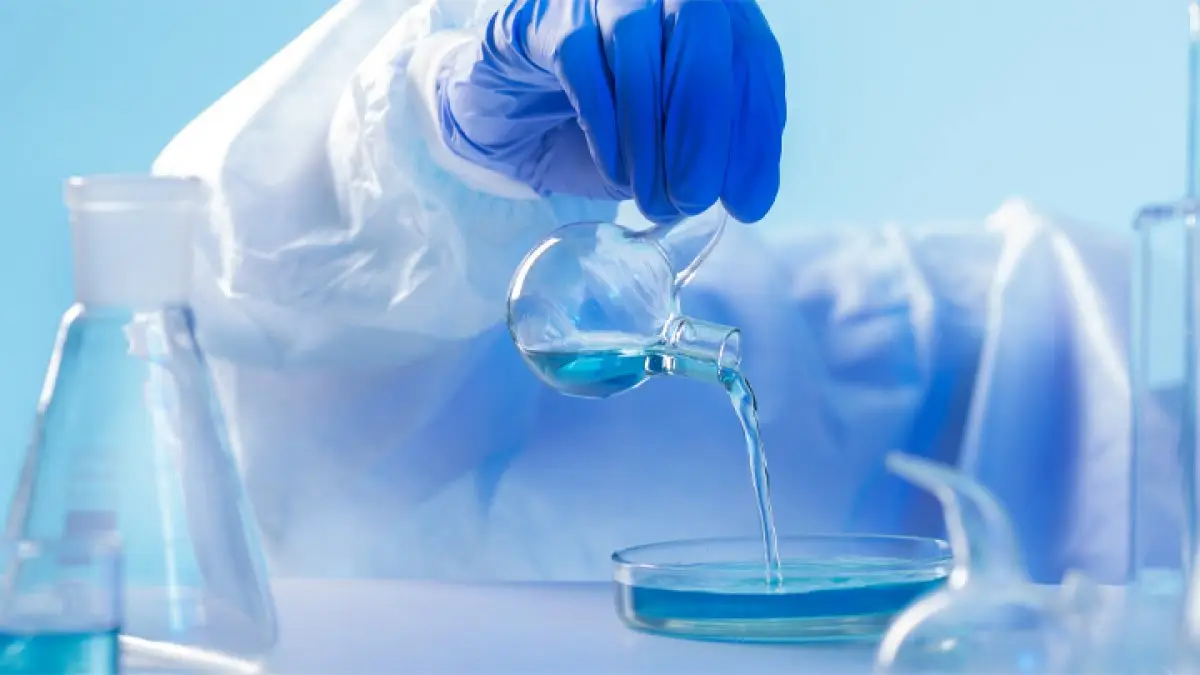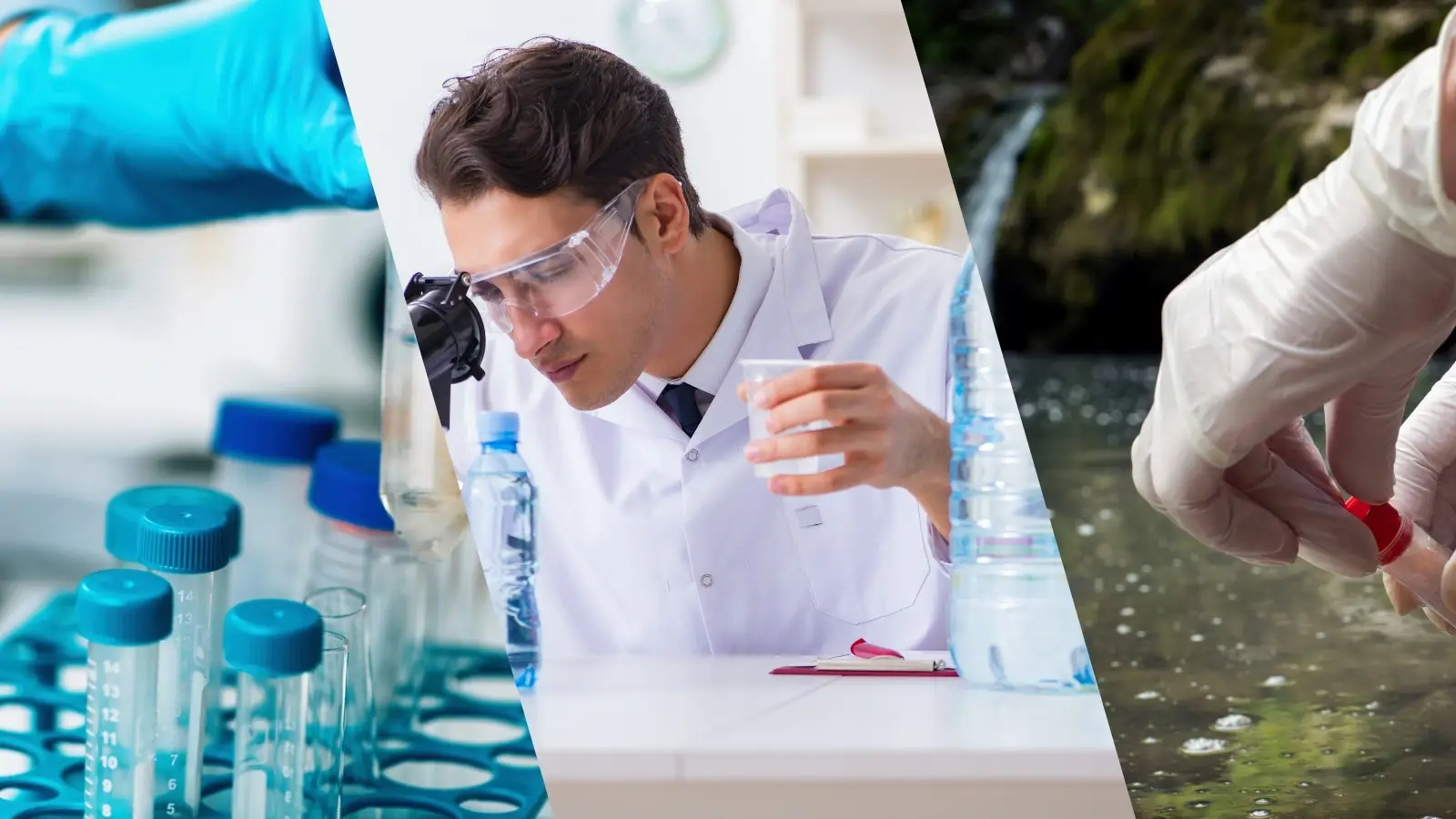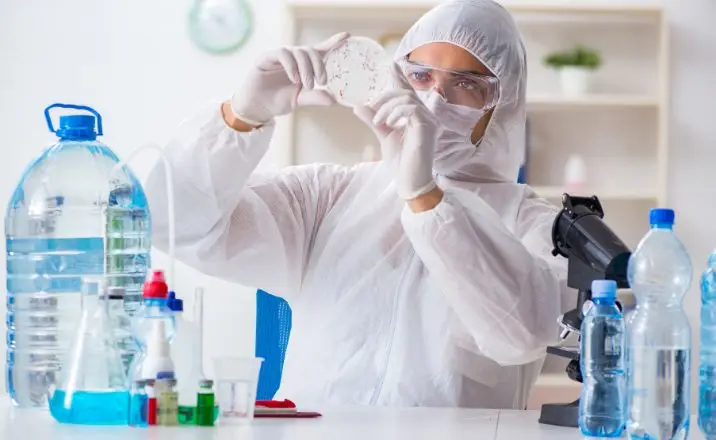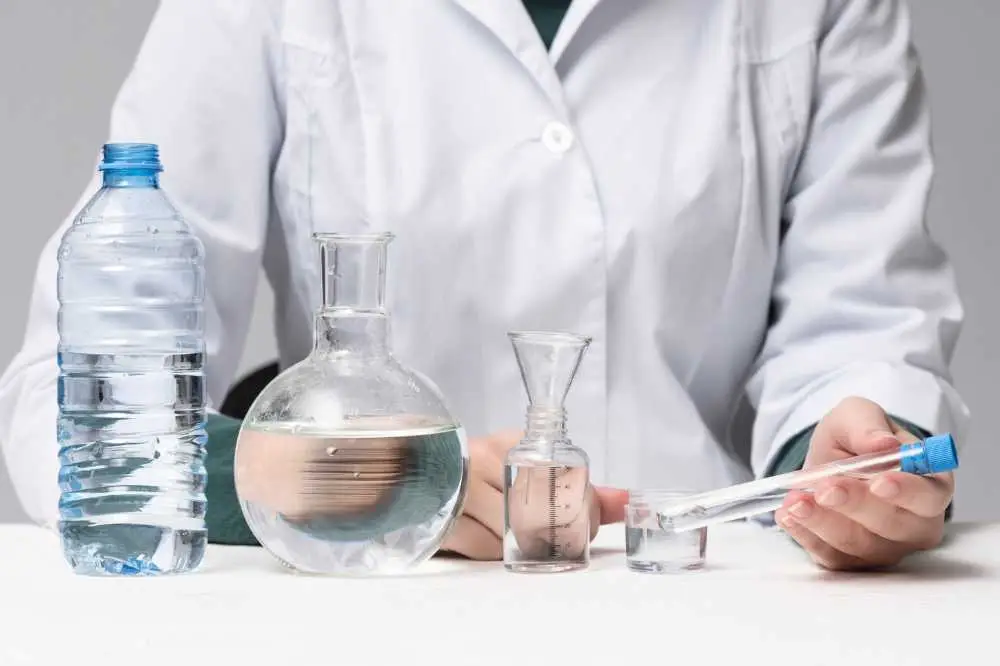
In the luxury hospitality industry, every aspect of the guest experience is carefully managed, including the quality of the water guests use every day. Water testing laboratory Queens helps hotels maintain high water quality by providing accurate analysis of their internal water systems. While management teams focus on service, cleanliness, and dining experiences, the building’s water distribution system remains an equally important part of delivering a safe and comfortable stay. Proper water testing not only protects guest health but also preserves plumbing infrastructure, supports regulatory compliance, and safeguards the reputation of luxury hospitality properties.
For high-end hospitality brands, water quality oversight cannot be treated as a basic compliance task or left to a generic, building-wide maintenance check. A single public health scare or a sudden burst of discolored water can destroy decades of carefully cultivated brand equity in a matter of hours.
To maintain operational excellence, protect multi-million-dollar capital investments, and deliver an uncompromised guest experience, hospitality leaders must expand their water safety programs to include broader, data-driven operational awareness.
                  ┌─────────────────────────────────┐
                  │    Hospitality Water Inflow     │
                  └────────────────┬────────────────┘
                                   │
      ┌────────────────────────────┼────────────────────────────┐
      ▼                            ▼                            ▼
┌──────────────┐             ┌──────────────┐             ┌──────────────┐
│ Guest Suites │             │ Culinary/F&B │             │ Central HVAC │
├──────────────┤             ├──────────────┤             ├──────────────┤
│ • Volatile   │             │ • Strict Ice │             │ • Cooling    │
│   Stagnation │             │   & Beverage │             │   Tower Scale│
│ • Pathogen   │             │   Purity     │             │ • Thermal    │
│   Risks      │             │ • Equipment  │             │   Efficiency │
│   (Biofilms) │             │   Protection │             │   Losses     │
└──────────────┘             └──────────────┘             └──────────────┘
                                   │
                                   ▼
┌───────────────────────────────────────────────────────────────┐
│              Enterprise-Wide Asset Preservation               │
└───────────────────────────────────────────────────────────────┘
The Stagnation Paradox: Fluctuating Occupancy and Water Age
The primary challenge of managing water within a hospitality property is the extreme volatility of consumer demand. Unlike an office tower with predictable weekly routines, a luxury hotel experiences sharp shifts in occupancy driven by seasonal travel, corporate conferences, and sudden weekend rushes.
When a block of luxury suites or an entire wing sits vacant during a low-occupancy stretch, the water inside those specific lateral distribution loops and high-end fixtures stops moving entirely. This lack of flow triggers a rapid environmental decay within the pipelines:
- Disinfectant Decay: The protective residual chlorine added by municipal treatment plants to suppress biological growth breaks down and dissipates naturally.
- Biofilm Development: Without a disinfectant buffer, microscopic biological communities take root along the inner pipe walls, developing into a sticky, protective layer known as a biofilm.
- Pathogen Amplification: Biofilms act as a shield for opportunistic waterborne pathogens—most notably Legionella pneumophila and Pseudomonas aeruginosa—protecting them from thermal shocks and chemical treatments.
Legionella thrives in the warm, stagnant conditions common to under-utilized hot water recirculation loops, dead-leg lines left behind during structural renovations, and low-flow guest showerheads. When a new guest checks into a previously vacant room and runs the shower, the sudden rush of water shears away fragments of this biological slime, aerosolizing the bacteria into respirable droplets.
Because an outbreak represents an immediate public health crisis and a massive legal liability, deploying targeted apartment water testing frameworks adapted for hospitality floor plans is an essential operational defense against these seasonal biological surges.
Culinary Purity vs. Mechanical Protection in Food & Beverage
Broader operational awareness means recognizing that different zones within a hotel require entirely different water profiles. This variance is highly visible within the Food and Beverage (F&B) division.
Guest-Facing Culinary Standards
High-end restaurants, cocktail lounges, and specialty espresso bars require water that is completely free of aesthetic imperfections. Trace amounts of dissolved iron, chlorine disinfectants, or organic compounds will alter the flavor profile of fine culinary offerings and clear ice programs, leading to direct guest complaints. To prevent this, kitchens install advanced point-of-use filtration arrays, such as carbon blocks and reverse osmosis systems.
Commercial Equipment Protection
While chefs focus on taste, facilities engineers must worry about the mechanical impact of the water. Commercial ice machines, high-capacity steam ovens, and industrial dishwashers are highly sensitive to mineral imbalances.
If the water possesses an un-buffered pH or a highly positive Langelier Saturation Index (LSI), it will rapidly deposit hard calcium carbonate scale across internal heating elements and distribution lines. This mineral scale acts as an insulative blanket, causing the equipment to work harder, driving up monthly energy expenditures, and triggering premature mechanical breakdowns that disrupt service.
Evaluating core corrosion chemistry indicators alongside heavy metal profiles is critical for balancing these systems. Tracking these metrics ensures the building plumbing network is chemically stable over the long term.
Deconstructing Regional Infrastructure Across Luxury Corridors
The precise plumbing vulnerabilities a hospitality property faces change significantly depending on its geographic location, structural age, and local utility infrastructure.
- Historic Boutique Neighborhoods: Properties operating within landmark buildings across historic corridors—such as the Upper East Side, West Village, or Tribeca—frequently handle a complex puzzle of legacy piping. Over decades of localized maintenance, these systems can become a patchwork of mismatched metals, creating active galvanic corrosion cells that operate like a slow-burning battery wherever copper meets old iron.
- Rapidly Changing Design Districts: Commercial-to-residential zoning shifts and dense construction projects—common in NoMad, the Lower East Side, and Midtown—sustain intense mechanical stress from nearby street-level utility upgrades. The physical micro-vibrations from nearby excavation travel through shared structural frames, cracking brittle internal pipe scale and causing sudden, uneven spikes in copper, iron, and rust particulates.
To explore how local building vintages, regional water main configurations, and changing municipal distribution zones vary across different sections of the borough, reviewing a comprehensive assessment of Manhattan neighborhoods can provide hospitality stakeholders with vital physical and historical context.
Designing an Enterprise-Wide Water Intelligence Protocol
To eliminate diagnostic blind spots, lower operational risk, and maintain complete control over their properties, hospitality facilities directors must replace random sampling routines with a structured, multi-tier testing framework:
1. Mandate Dual-Phase Collection (First-Draw vs. Fully Flushed)
To accurately isolate where water chemistry or biological profiles are changing, diagnostics must utilize a two-phase collection method. A “first-draw” sample is collected immediately after a room has sat stagnant for at least six hours to evaluate localized leaching and biofilm buildup right at the guest faucet.
This is followed immediately by a “fully flushed” sample taken after running the line for several minutes, which pulls water directly from the primary vertical riser stack. Comparing these two numbers side-by-side allows consultants to determine if an issue is isolated to a specific guest room fixture or points to a building-wide distribution concern.
2. Establish Documented, Target-Driven Flushing Regimes
Instead of relying on haphazard manual pipe flushing by housekeeping staff, modern hotels deploy formalized, documented flushing programs for low-occupancy wings.
Facilities teams utilize building layouts to isolate high-water-age zones, systematically running taps and showers until independent laboratory measurements verify that fresh, chlorinated municipal water has fully re-occupied the branch lines.
3. Rely on Independent, Certified Laboratory Diagnostics
Because toxic heavy metals, corrosive chemical imbalances, and dangerous biological biofilms leave no early visible traces, odors, or tastes, relying on visual inspection or cheap over-the-counter DIY kits is an unacceptable operational risk.
Utilizing a comprehensive, independent water testing protocol is the only definitive way to secure the precise, legally defensible data needed to safeguard guest health, protect valuable mechanical systems, and maintain strict brand compliance.
Precision Engineering for Uncompromised Hospitality
True asset excellence and luxury hospitality operations require looking past superficial interior aesthetics and actively mastering the hidden, fluid dynamics operating behind the walls. By replacing passive maintenance routines with a structured program of independent, laboratory-verified water testing, hospitality property teams can protect critical mechanical equipment, lower structural liability, and ensure an uncompromised, world-class experience for every guest.
Whether you are updating a comprehensive water safety plan for a luxury high-rise hotel, validating an active HVAC filtration upgrade, or seeking to address complex building-wide water concerns, stay informed. Take a look at our comprehensive FAQ for engineering answers regarding common urban water contaminants, explore our blog for ongoing building management insights, or reach out through our contact page to consult with our specialized water quality team today.