Introduction
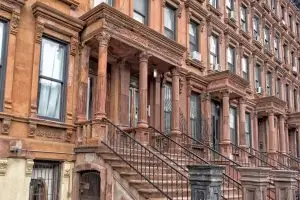
Manhattan brownstones are among the most recognizable residential structures in New York City, valued for their architectural character, historical significance, and multi-level living spaces. Found throughout neighborhoods such as the Upper West Side, Harlem, and parts of the Upper East Side, these buildings have remained in continuous use for decades, often well over a century. While their structural integrity and design have stood the test of time, the same cannot always be said for their internal plumbing systems.
Many brownstones were constructed long before modern plumbing standards were established. Over time, these systems have been modified, repaired, or partially upgraded, creating a mix of old and new infrastructure within the same building. This layered history introduces complexity that can influence water conditions at the tap in ways that are not always obvious.
Understanding why plumbing related water issues occur in Manhattan brownstones requires looking beyond the city’s supply system and focusing on what happens inside the building itself. From pipe materials and system layout to usage patterns and renovation practices, multiple factors contribute to how water behaves once it enters a brownstone.
The Age and Evolution of Brownstone Plumbing Systems
One of the primary reasons brownstones experience plumbing related water issues is the age of their infrastructure. Many of these buildings were constructed in the late nineteenth or early twentieth century, using materials and installation methods that differ significantly from those used today. While some properties have undergone renovations, it is common for portions of the original system to remain in place.
Over time, pipes can develop internal buildup that affects both flow and water clarity. Mineral deposits, sediment, and corrosion byproducts may accumulate along the interior surfaces of pipes. Under stable conditions, this buildup often remains undisturbed. However, changes in flow or pressure can dislodge these materials, leading to temporary discoloration or variation in water appearance.
The evolution of plumbing systems in brownstones often involves incremental upgrades rather than complete replacements. A building may have sections of newer piping connected to older infrastructure, creating transitions between materials with different characteristics. These mixed systems can behave unpredictably, especially when water chemistry interacts differently with each material type.
Because of this layered development, water conditions in brownstones are rarely uniform. Understanding the history of a building’s plumbing system is essential for identifying the root causes of water related concerns.
Complex Layouts and Multi-Level Distribution
Brownstones typically span multiple floors, with plumbing systems designed to serve kitchens, bathrooms, and utility areas across several levels. Unlike modern high rise buildings that use standardized riser systems, brownstone plumbing layouts are often more irregular and may have been altered over time to accommodate renovations or changes in use.
Water must travel vertically through the building, often passing through a combination of original and modified pipe routes. The distance and configuration of these pathways can influence how long water remains in the system before reaching a fixture. Longer pipe runs increase the opportunity for interaction between water and internal surfaces, which can affect overall conditions.
In multi-unit brownstones that have been converted into separate apartments, additional complexity is introduced. Each unit may have its own plumbing modifications, leading to variations in system performance within the same building. Differences in pressure, flow, and usage patterns can result in inconsistent water conditions between units or floors.
These layout challenges make it difficult to predict water behavior without direct evaluation. Testing at different fixtures and levels within the building provides a clearer understanding of how water moves through the system and where variations may occur.
Stagnation and Usage Patterns in Brownstones
Water usage patterns play a significant role in how plumbing systems perform in brownstones. In buildings with multiple levels or units, certain areas may experience lower usage than others. Guest rooms, secondary bathrooms, or unoccupied apartments can allow water to remain in pipes for extended periods.
When water sits stagnant, it has more time to interact with the materials inside the plumbing system. This can influence clarity, taste, and overall consistency when the water is eventually used. In contrast, frequently used fixtures tend to maintain more stable conditions due to regular flow.
Seasonal occupancy and lifestyle patterns also contribute to variation. Some brownstones may have residents who travel frequently or use the property intermittently, leading to fluctuations in water movement throughout the system. These changes can create differences in conditions between floors or units.
Understanding how usage patterns affect water is important for both residents and property owners. Simple practices such as flushing taps after periods of inactivity can help restore consistent flow, but testing provides a more comprehensive view of how stagnation is influencing water conditions.
The Impact of Renovations and Partial Upgrades
Renovations are common in Manhattan brownstones, often aimed at modernizing interiors while preserving historic character. However, plumbing upgrades are not always completed uniformly across the entire building. Instead, improvements may be made in stages, resulting in a combination of old and new components within the same system.
Partial upgrades can create differences in how water interacts with various sections of the plumbing network. New pipes may perform differently than older ones, and transitions between materials can introduce variation in flow and contact conditions. In some cases, newly installed components may require a period of adjustment before stabilizing.
Construction activity can also disturb existing pipes, releasing sediment that has accumulated over time. This may temporarily affect water clarity following renovation work. While these changes are typically short term, they highlight the importance of evaluating water conditions after upgrades are completed.
For building owners and residents, understanding the impact of renovations on plumbing systems helps ensure that improvements lead to consistent performance. Testing after upgrades provides confirmation that water conditions have stabilized and meet expectations.
Why Brownstones Require Point of Use Water Testing
Unlike city wide water reports, which reflect conditions within the municipal system, point of use testing focuses on what is actually coming out of the tap inside a specific building or apartment. In brownstones, where plumbing systems are highly individualized, this type of testing is essential for accurate assessment.
Testing can identify variations between fixtures, floors, or units, providing insight into how the plumbing system is influencing water conditions. It also helps detect issues that may not be visible, such as subtle changes in composition or consistency.
For property owners, testing supports informed maintenance decisions and helps prioritize upgrades where they are most needed. For residents, it offers reassurance that water used for daily activities reflects expected conditions within their living space.
In a building type as unique as a Manhattan brownstone, relying solely on general assumptions about water quality is not sufficient. Direct evaluation at the point of use provides the clarity needed to understand and manage water conditions effectively.
Conclusion
Manhattan brownstones represent a unique intersection of history, architecture, and evolving infrastructure. While these buildings offer lasting value and character, their plumbing systems often reflect decades of change, adaptation, and partial upgrades. This complexity is the primary reason why plumbing related water issues are more common in brownstones compared to newer construction.
From aging pipes and irregular layouts to stagnation and renovation impacts, multiple factors contribute to how water behaves once it enters these buildings. Understanding these elements provides important context for residents, property owners, and building managers.
By focusing on building specific conditions and utilizing professional water testing, it is possible to identify the sources of variation and take appropriate steps to maintain consistent water quality. In a city as dynamic as Manhattan, this approach ensures that even historic properties continue to meet modern expectations for reliability and performance.